
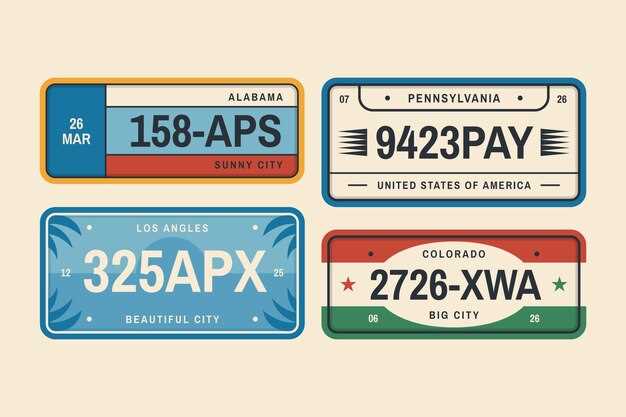
The allure of vanity plates in Australia extends beyond mere personal expression; they serve as a means for vehicle owners to showcase individuality and make a statement on the road. However, the regulations governing these customized license plates are multifaceted and vary significantly from state to state. Understanding the legal framework that surrounds vanity plates is essential for prospective owners who wish to navigate the intricacies of issuance, approval, and compliance.
Each Australian state has its own governing body responsible for regulating vanity plates, which often means differing rules regarding the allowable characters, combinations, and overall design. While some jurisdictions encourage creativity and allow a broad range of options, others impose stricter limitations to ensure that plates remain appropriate and do not cause confusion or offense. This article aims to demystify the various regulations in place, providing clarity on the dos and don’ts of acquiring a vanity plate in Australia.
In this exploration, we will delve into the fundamental requirements set out by state authorities, discuss potential application processes, and highlight common pitfalls to avoid. Whether you’re contemplating your first personalized plate or seeking to enhance your existing vehicle identification, understanding these regulatory nuances is crucial for a smooth experience. With knowledge in hand, vehicle owners can confidently embark on their journey to create a unique automotive identity.
Common Restrictions on Vanity Plate Messages Across States

Vanity plates are a popular way for vehicle owners to express their personality, humor, or interests. However, across Australia, there are specific regulations governing the messages displayed on these plates, which can vary by state. Understanding these restrictions is crucial for anyone considering applying for a custom plate.
One of the primary restrictions relates to offensive language. Most states prohibit any combination of letters or numbers that can be interpreted as vulgar, obscene, or derogatory. This includes slurs or any messages that may promote hate or violence.
Another common restriction is the use of misleading information. Plates that could misrepresent the identity of the vehicle, such as emulating government vehicles or emergency services, are typically not allowed. This regulation aims to prevent confusion on the road and maintain safety standards.
Additionally, many states have rules against commercial messages. Plates that promote businesses, products, or services are often prohibited unless a special application process is followed. This prevents vanity plates from becoming a platform for advertising, which can detract from their intended purpose of personal expression.
The combination of characters is also limited. Most states enforce a character limit, usually between 6 and 7 characters, which can include letters, numbers, and sometimes special symbols. This ensures that messages remain concise and easily readable.
In some regions, there are even stricter guidelines regarding public safety and community standards. For example, messages that may encourage reckless behavior, such as references to drugs or excessive speed, are generally not accepted.
Lastly, it is important to note that each state has its own approval process and may offer different categories of vanity plates. Some states have specialized themes, while others have a more general approach. Even if a particular message is acceptable in one state, it might be rejected in another due to differing interpretations of the regulations.
Potential applicants for vanity plates should thoroughly research their state’s specific guidelines and consult with local authorities to ensure compliance before submitting their requests.
Navigating the Application Process for Custom License Plates
Applying for custom license plates in Australia involves several key steps, varying slightly by state or territory. Before beginning the application process, it is essential to check the specific requirements and regulations set by the local motor vehicle authority.
The first step is to decide on the desired plate combination, ensuring that it aligns with the guidelines provided by your local authority. Most regions have restrictions on certain words or phrases that may be offensive or misleading. It is advisable to have several alternative options ready, as your first choice may already be taken or deemed inappropriate.
Once you’ve settled on your desired plate, the next step is to complete the application form. This form can typically be found on the website of the relevant motor vehicle authority or may be available at local offices. Along with the form, you will usually need to pay a fee, which varies based on the state and the complexity of the plate design.
After submitting your application, it will undergo a review process. This can take from a few days to several weeks, depending on the volume of applications being processed at the time. You may receive a notification confirming whether your application has been approved or rejected. If your application is denied, the reasons will be provided, allowing you to adjust your request appropriately.
If approved, you will receive instructions on how to proceed with payment and the issuance of your custom plates. Plates can typically be delivered to your address or picked up at a designated location. Ensure to familiarize yourself with any subsequent requirements, such as attaching the plates in accordance with local regulations.
Throughout the process, it is recommended to maintain communication with local authorities if you encounter any issues or have questions regarding your application. By carefully following these steps, you will successfully navigate the application process for custom license plates in Australia.
Fees and Ongoing Costs Associated with Vanity Plates
When considering vanity plates in Australia, it is essential to understand the various fees and ongoing costs involved. These financial commitments can vary significantly depending on the state or territory in which you reside, as each jurisdiction has its own regulations and fee structures.
Initial Application Fee: Obtaining a vanity plate typically requires an initial application fee. This fee can range from approximately AUD 100 to AUD 500, depending on the desired design and the issuing authority. Some states may charge more for unique or custom requests. It is crucial to check with your local registration authority for specific rates.
Annual Renewal Fee: Vanity plates usually come with an annual renewal fee. This fee can be anywhere from AUD 50 to AUD 250 annually, influenced by the type of plate and the issuing state. Failure to pay this fee on time may result in penalties or the revocation of the plate.
Transaction Fees: In addition to application and renewal fees, there may be transaction costs associated with the purchase or transfer of vanity plates. These fees can vary but typically range from AUD 20 to AUD 100. This is especially relevant if you are transferring plates from one vehicle to another.
Additional Customization Costs: If you wish to further customize your vanity plate, such as adding special graphics or unique fonts, expect to incur additional charges. These customization fees can significantly increase the overall cost of the plate.
Insurance Considerations: While not a direct fee related to vanity plates, it is worth considering how they may impact your insurance premiums. Some insurance providers might view luxury or unique plates as adding value to your vehicle, which could lead to increased coverage costs.
In summary, while vanity plates can be an expression of personal identity and creativity, it is important to budget for the initial application fee, annual renewal costs, transaction fees, and any additional customization expenses. Understanding these factors will help you make an informed decision before acquiring a vanity plate.